
MTD for Income Tax 2026: What the £50k Threshold Means for Peterborough Sole Traders
Making Tax Digital for Income Tax is now mandatory for qualifying sole traders. Understand what "qualifying income" means and how to prepare for April 2026 compliance.

From April 2026, Making Tax Digital (MTD) for Income Tax becomes officially mandatory for sole traders and partnership members in the UK whose qualifying income exceeds £50,000. This isn't a gentle suggestion or optional upgrade—it's a legal requirement enforced by HMRC with significant penalties for non-compliance.
For Peterborough and Market Deeping-based business owners, understanding this threshold, what "qualifying income" actually means, and how to prepare is absolutely essential. In this guide, we'll walk you through everything you need to know.
What Is Making Tax Digital for Income Tax?
Making Tax Digital (MTD) fundamentally changes how self-employed people and sole traders report to HMRC. Rather than filing a single annual tax return, MTD requires quarterly submissions and continuous digital record-keeping.
Under MTD, you must:
- ✓Keep digital records: All income and expenses must be recorded in HMRC-approved software (like Xero)
- ✓Submit quarterly updates: Send summary information to HMRC every three months, not once yearly
- ✓File a year-end declaration: Final adjustments and formal submission after the tax year ends (5 April)
- ✓Use direct integration: Your accounting software connects directly to HMRC's systems—no manual uploads
This replaces the old traditional model where sole traders maintained records on spreadsheets or desktop software, then filed a single annual Self Assessment tax return in January. MTD is fundamentally different, and it requires planning to get right.
The £50,000 Threshold: What Does "Qualifying Income" Really Mean?
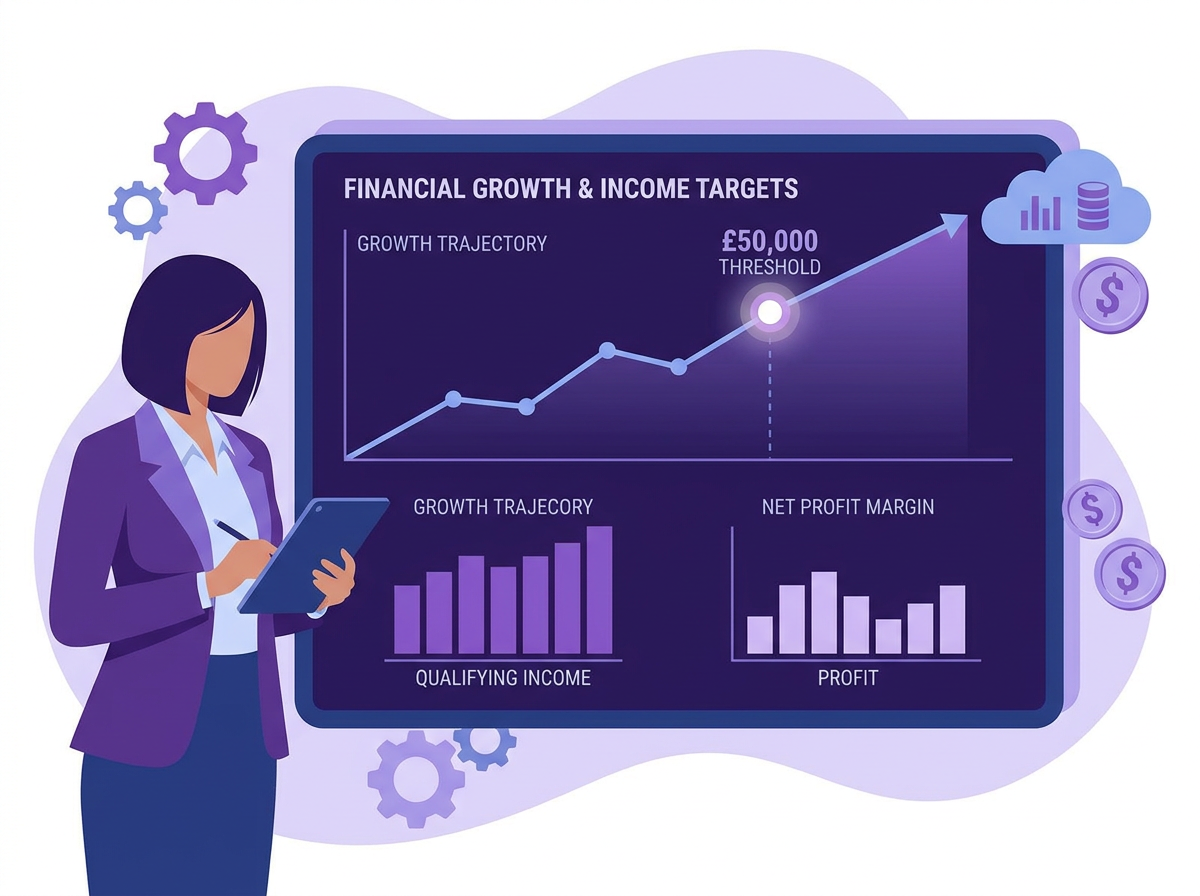
The £50,000 figure is the critical threshold determining whether MTD applies to you. But here's where many sole traders get confused: it's not profit—it's qualifying income.
Understanding Qualifying Income vs. Profit
Qualifying income is your gross income from self-employment, before any expenses are deducted. It's the total amount you've invoiced or earned from your business activities—not what you have left after expenses.
Real-world examples for Peterborough business owners:
- Peterborough consultant: Invoices £60,000 in fees = qualifying income of £60,000 (in scope for MTD), even if business expenses of £25,000 leave a net profit of just £35,000
- Market Deeping tradesperson: Has £45,000 in invoiced work = qualifying income of £45,000 (under threshold, no MTD mandate)
- Online seller with multiple streams: Total revenue from all trading activities is £75,000 = qualifying income of £75,000 (in scope for MTD)
🔔 Critical point: You're in scope if your gross income exceeds £50,000, regardless of your profit margin. Many business owners assume they're under the threshold because their net profit is lower—don't make this mistake.
What Counts as Qualifying Income?
✓ Included in Qualifying Income
- • Business turnover from your main self-employed activity
- • Income from additional trading activities
- • Your share of partnership profits
- • Any other business revenues
✗ NOT Included in Qualifying Income
- • Investment income (dividends, interest)
- • Rental income from property
- • Employment income from a job
- • Capital gains from asset sales
Practical example: If you're a sole trader earning £45,000 from your business but also receive £10,000 in rental income, your qualifying income for MTD purposes is £45,000 (under the threshold). The rental income is separate and reported differently on your tax return—it doesn't count toward the MTD threshold.
The April 2026 Mandate: Why Now?
HMRC has been piloting MTD with businesses for several years. From April 2026, the legal requirement extends to self-employed sole traders and partnerships earning over £50,000. This represents the largest expansion of the MTD mandate to date.
The government's rationale: digital reporting reduces errors, improves compliance, and helps HMRC spot underreporting more quickly. The timeline also gives affected businesses approximately 6-9 months from now to prepare and transition their systems.
What Changes on April 2026?
From April 2026, if you're in scope:
- You must use MTD-approved software: The old HMRC online portal for Self Assessment is no longer an option. You must file through compatible third-party software like Xero.
- You submit quarterly summaries: Rather than once-yearly filing, you send update summaries to HMRC quarterly (broadly aligned with quarters: 6 April–5 July, 6 July–5 October, 6 October–5 January, 6 January–5 April).
- Year-end finalisation is required: After the tax year ends (5 April), you submit a final declaration confirming your year-end adjustments.
- Records must be kept digitally: Spreadsheets and paper records aren't compliant. Everything must flow through approved software.
- Late submissions incur penalties: Missing a quarterly deadline triggers HMRC's new points-based penalty system, with financial penalties accumulating.
Timeline: When Does Your 2025/26 Tax Year End?
The UK tax year runs from 6 April to 5 April. Key dates for Peterborough sole traders:
- 6 April 2025–5 April 2026: Final tax year under the old annual filing system (if you're eligible)
- 6 April 2026 onwards: MTD mandate applies to all qualifying sole traders
- January 2027: You'll file your 2025/26 tax year (under the old rules) and your first MTD quarterly update for 2026/27
If your qualifying income is under £50,000 in the 2025/26 tax year, you have one more year of voluntary MTD or traditional filing. From 2026/27 onwards, if you've crossed the threshold, you're legally required to use MTD.
Practical Impact: What You Need to Do Now
If you're a Peterborough or Market Deeping sole trader earning over £50,000, it's time to start preparing. Here's a four-step action plan:
Step 1: Assess Your Current System
Are you using cloud accounting software like Xero already? Or are you relying on spreadsheets, desktop software, or cloud platforms that aren't MTD-compatible? You have until April 2026, but the sooner you transition, the better your records will be when the mandate kicks in.
Step 2: Set Up MTD-Approved Software
You need software that meets these requirements:
- ✓ Maintains digital records of all income and expenses
- ✓ Connects directly to HMRC systems
- ✓ Generates quarterly summaries in HMRC-approved formats
- ✓ Appears on HMRC's published list of approved providers
Xero, FreshBooks, and Sage 50 Cloud are all HMRC-approved options. The key is choosing software you'll actually use and that integrates smoothly with your business operations.
Step 3: Establish Digital Record-Keeping Practices
Quarterly reporting requires disciplined monthly or quarterly record management. You can't wait until March 2027 to organize your 2026/27 records—HMRC expects live, up-to-date records at all times. Build the habit now.
Step 4: Get Professional Support
This is where many sole traders see the real value in working with accountants. The technical complexity of MTD compliance, combined with HMRC's penalty system for errors, makes professional guidance well worth the investment.
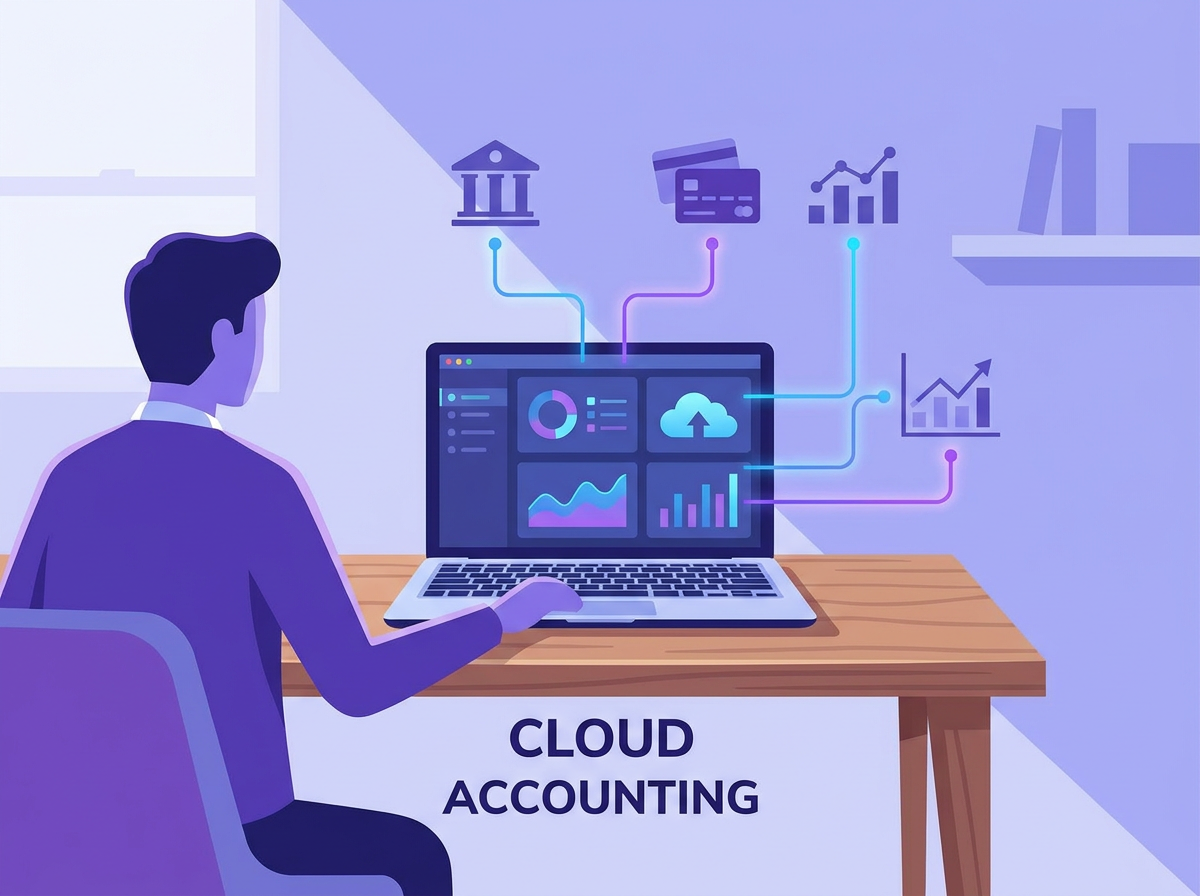
How Figures UK Handles the MTD 2026 Transition
We specialise in supporting Peterborough and Market Deeping sole traders through regulatory changes like MTD. Our approach is proactive, transparent, and designed to remove complexity from your compliance journey.
Software Setup & Training
As Xero-certified specialists with over a decade of platform expertise, we handle your complete transition. We set up your Xero account, migrate historical records seamlessly, and train you on daily record-keeping so you're confident from day one.
Monthly Bookkeeping & Review
We maintain your records every month, not just when deadlines loom. This means your books stay current year-round, quarterly summaries are accurate, and you'll never scramble at deadline time. Peace of mind, built in.
Quarterly MTD Filing
We prepare your quarterly summaries, verify them for accuracy and full HMRC compliance, and submit them directly to HMRC on your behalf. You focus on running your business—we handle the technical submission.
Year-End Accounts & Declaration
We coordinate final adjustments with you, prepare your year-end accounts, and submit your formal declaration to HMRC. Full compliance guaranteed by the deadline—no stress, no surprises.
Fixed Monthly Fee—Complete Transparency
Our fixed-fee monthly model means you know exactly what you're paying for MTD compliance support. No surprise invoices, no hourly charges creeping up, no unexpected complexity fees. Just one predictable price covering everything MTD-related.
What if You're Just Under £50,000?
If your qualifying income is below £50,000, you're not required to submit quarterly MTD returns. However, you'll still need to complete your Self-Assessment tax return by 31 January following the tax year end, and Making Tax Digital compliance applies to that final submission.
In other words: no quarterly hassle, but year-end MTD filing still applies.
You Still Benefit From Professional Support
Many sole traders in this bracket choose to work with us—not for MTD requirements, but for the peace of mind that comes with monthly bookkeeping, accurate year-end accounts, and expert tax planning advice.
Real-Time Financial Visibility
Even without MTD's quarterly requirement, having real-time access to your records, cash flow forecasts, and tax position throughout the year puts you in control of your finances.
The choice is yours. Whether you need MTD quarterly support or simply want clean, professional records and expert guidance at year-end, Figures UK is here to help—all on fixed monthly terms that scale with your business.
Ready to get started? Book a free consultation and let's discuss what works best for your business.
Key Takeaways for Peterborough Sole Traders
- →MTD is mandatory from April 2026 for qualifying sole traders earning over £50,000
- →Qualifying income means gross income, not profit—check your invoiced turnover, not your net profit
- →You need HMRC-approved software (like Xero) to comply—the old HMRC portal won't work
- →Quarterly submissions are required, not once-yearly filing as before
- →Late submissions trigger penalties under HMRC's points-based penalty system
- →Professional support dramatically reduces risk and stress during the transition
Ready to Get MTD-Ready?
If you're a Peterborough or Market Deeping sole trader with qualifying income over £50,000—or if you expect to exceed that threshold in the next year or two—now is the time to prepare. Don't wait until March 2026 and scramble.
Contact Figures UK to discuss your MTD readiness, set up Xero, and establish a monthly bookkeeping routine that keeps you compliant effortlessly. We've guided dozens of local business owners through similar transitions, and we're here to ensure April 2026 is smooth, not stressful.
Get In Touch
Get In Touch With Us
Want a fixed monthly quote or a quick chat about switching accountants? Send us a message — we'll reply with clear next steps.
Worried about switching? Don't be.
You can move to Figures UK at any point in the year — no need to wait for year end. We handle the entire handover, including moving your records and transferring everything to HMRC, so the switch is seamless and stress-free for you.